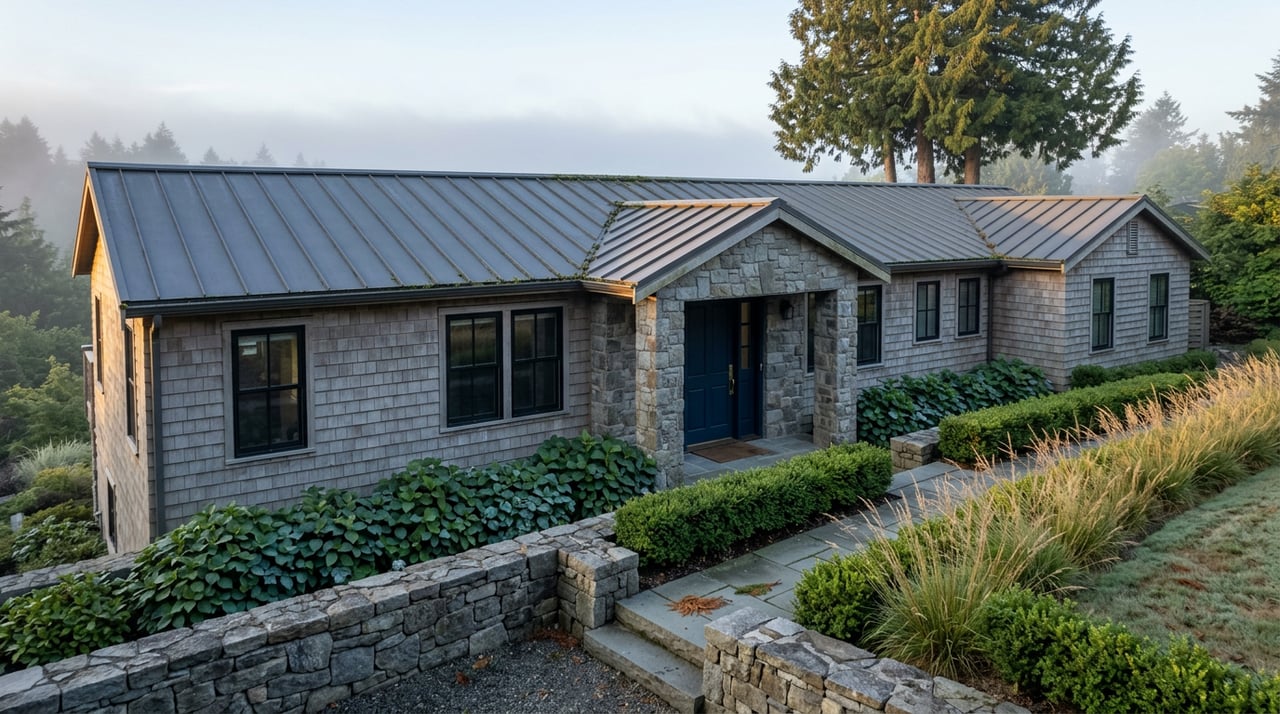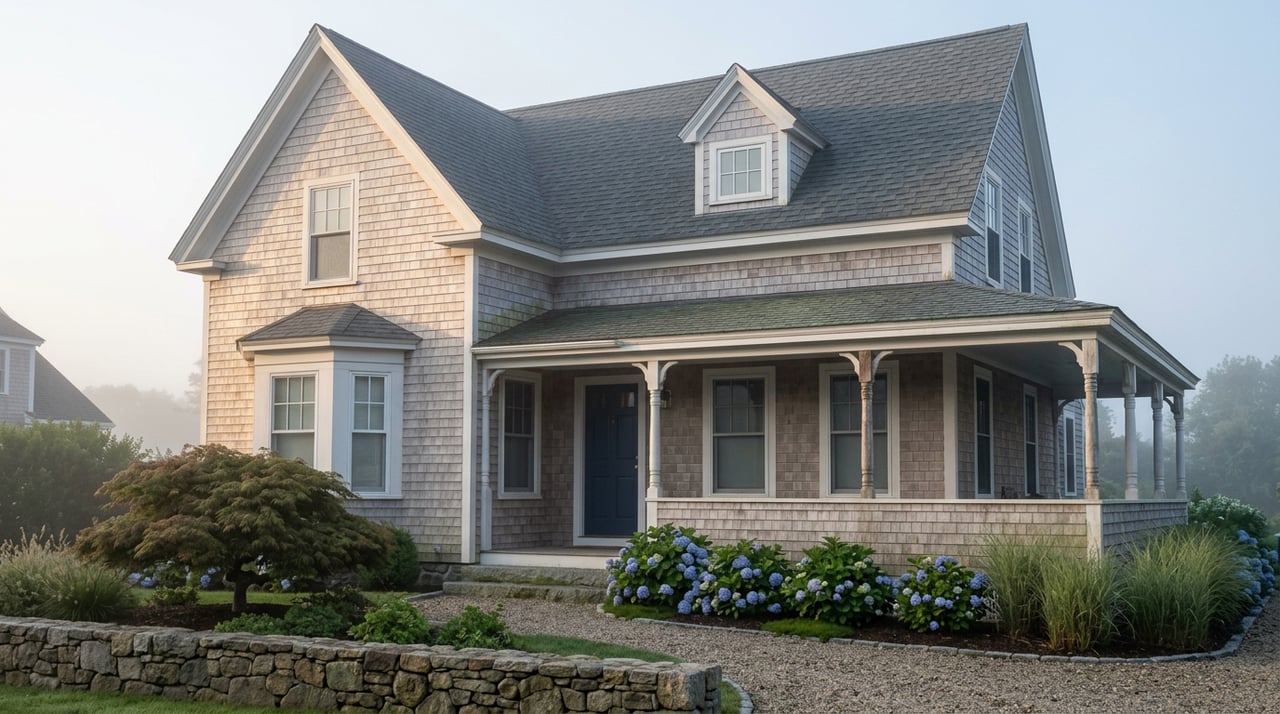
Walk into a Queen Anne on Washington Street in Uniontown this fall, the kind with a wraparound porch and a hundred and thirty years of paint layers under the trim, and there's a decent chance the listing sheet or the seller's memory mentions a historic tax break. For most of the last five decades, that would have been true. As of this year, it usually isn't, and the reason has nothing to do with the house.
Oregon's Special Assessment of Historic Properties program, the tool that let owners of National Register homes freeze their assessed value for ten years while they renovated, stopped accepting new residential applicants on July 1, 2024. The state brought a version of it back in 2025. That version is open to commercial and income-producing buildings only. A homeowner buying a Victorian in Astoria to live in it, today, has no path into the program at all, unless the house already had one before the door closed.
That distinction matters more here than almost anywhere else on the North Coast. Astoria has three federally recognized National Register Historic Districts: Uniontown-Alameda, designated in 1989 and running roughly from West Marine Drive south to West Exchange Street; the Astoria Downtown Historic District, listed in 1998 and stretching from the Columbia River to Exchange Street between 7th and 17th; and Shively-McClure, established in 2005. Two more areas, Hobson-Flavel and Adair-Uppertown, have been inventoried and are eligible for nomination but haven't been formally listed. Since 1985 the city has inventoried more than 1,500 buildings and designated nearly 870 local landmarks. A large share of Astoria's identity, and its housing stock, sits inside this system. The tax mechanism that used to soften the cost of owning a piece of it did not survive the last two years intact.
What the Freeze Actually Did
The Special Assessment program was Oregon's first state-level historic preservation tax incentive, on the books since 1975. The mechanics were straightforward: a property listed individually on the National Register, or standing as a contributing structure inside one of the historic districts, could apply to have its assessed value frozen for a ten-year term. An owner planning a major rehab, new wiring, a foundation rebuild, restored siding, could lock in the pre-project assessment before the work started, so the county wouldn't tax the improvement itself for a decade.
It wasn't free. Enrollment carried an application fee equal to a third of one percent of the property's real market value, which on a home near Astoria's current median works out to somewhere around $1,650. Owners had to commit to spending at least 10 percent of that market value on qualifying rehabilitation by the end of the fifth year, and file progress reports at years three, six, and nine so the state could confirm the work was actually happening. It was a real commitment, but it was also a real offset against the cost of keeping a hundred-year-old house standing to code.
The Timeline That Changed the Math
| Period | What Residential Buyers Could Access |
|---|---|
| Before July 1, 2024 | Full ten-year assessed-value freeze, open to any qualifying National Register home, owner-occupied or not |
| July 2024 through October 2025 | Program closed to all new applicants while the legislature worked out a replacement |
| November 1, 2025 onward | Reopened under House Bill 3190, signed by Governor Kotek in May 2025, but limited to income-producing and commercial property only |
Owners who enrolled before the July 2024 cutoff keep their freeze through the remainder of their ten-year term. Everyone applying today, including a family buying a Uniontown Victorian to live in full time, is applying into a program that no longer has a residential door.
A plaque on the porch doesn't come with a tax freeze anymore. Whether the house still has one depends on paperwork filed before mid-2024, not on how old the house is.
The Transfer Question Most Buyers Skip
Here's where it gets more interesting than a simple sunset. A pre-2024 enrollment doesn't automatically die when a house changes hands, and it doesn't automatically transfer either. If a seller's Victorian is currently mid-term on the old freeze, the benefit can continue for a new owner, but only if that owner agrees in writing to take over the existing preservation plan filed with the State Historic Preservation Office and notifies the office of the change in ownership. Skip that step, or buy a house whose seller quietly let the enrollment lapse years ago, and the freeze doesn't come with the keys.
This is exactly the kind of detail that doesn't show up on a listing sheet and rarely comes up until an escrow officer or a title company asks about it. For a buyer comparing two similar Astoria Victorians, one enrolled since 2019 and one that was never enrolled at all, the ten-year clock, the remaining term, and the paperwork obligations attached to it are worth asking about directly, in writing, before an offer goes in rather than after.
What This Changes About the Rehab Math
None of this touches the design review side of owning a historic Astoria home. Exterior alterations still route through the city's Community Development Department and, historically, the Astoria Historic Landmarks Commission, regardless of whether the property carries a tax freeze. The city's own guidance for owners, a document compiled in 2013 with state preservation office funding, still governs how you replace a window, rebuild a porch, or add a dormer without losing the character that got the district listed in the first place. That review process isn't going anywhere. What's gone is the financial tool that used to make the compliant version of that work less expensive to carry for the ten years after you finish it.
That shift lands in a market that isn't masking the difference with runaway appreciation. Astoria homes sold for a median of $516,000 over the three months ending in June 2026, roughly 3.5 percent below the same period a year earlier, according to Redfin's market data. A separate home-value index from Zillow put the city's typical home worth at $486,426 as of the end of July 2026, essentially flat over the previous twelve months. Whichever figure a buyer anchors to, this isn't a market where a decade of frozen assessed value would have been a rounding error. On a $500,000 Victorian undergoing a serious rehab, the freeze was the difference between a county assessment that stayed put for ten years and one that climbed with every improvement the moment it was appraised.
Before You Write an Offer
A few questions worth asking on any National Register or historic-district listing in Astoria, before the inspection period closes:
- Is this specific property currently enrolled in the Special Assessment program, and if so, what year of the ten-year term is it in?
- If it is enrolled, what does the preservation plan on file with the State Historic Preservation Office actually require going forward, and is the seller willing to share it?
- If it isn't enrolled, has it ever been, and did a prior owner let it lapse rather than complete the plan?
- Does the house sit inside Uniontown-Alameda, the Downtown Historic District, Shively-McClure, or one of the two inventoried-but-not-yet-listed areas, and does that change what exterior work needs Landmarks Commission review regardless of tax status?
None of these questions are things a listing photo answers. They're the kind of thing a title search, a call to the assessor's office, or a records request to the state preservation office settles before closing, not after.
FAQ
Does every old house in Astoria qualify for the Special Assessment program? No. Only properties individually listed on the National Register, or standing as a contributing structure within a listed historic district, were ever eligible. A charming older home outside those boundaries, or one the city doesn't formally count as historic, never had access to this program even before 2024.
If I buy a home that's already enrolled, do I keep the tax freeze automatically? No. The new owner has to agree in writing to assume the existing preservation plan on file with the State Historic Preservation Office and notify that office of the ownership change. Buying the house doesn't transfer the paperwork by itself.
Is there any residential path back into this program? Not currently. House Bill 3190 rebuilt the Special Assessment program for commercial and income-producing property only. A homeowner who wants to live in the house has no new-application route as of this year, only the option of taking over an enrollment that already exists.
If you're weighing a National Register listing in Uniontown, the Downtown Historic District, or Shively-McClure, the enrollment history on that specific address is worth confirming before you get attached to it. Cindy Hawkins Colley has spent close to three decades working this stretch of the Columbia River and can help you find out which side of the 2024 line a house actually falls on. Let's Connect.