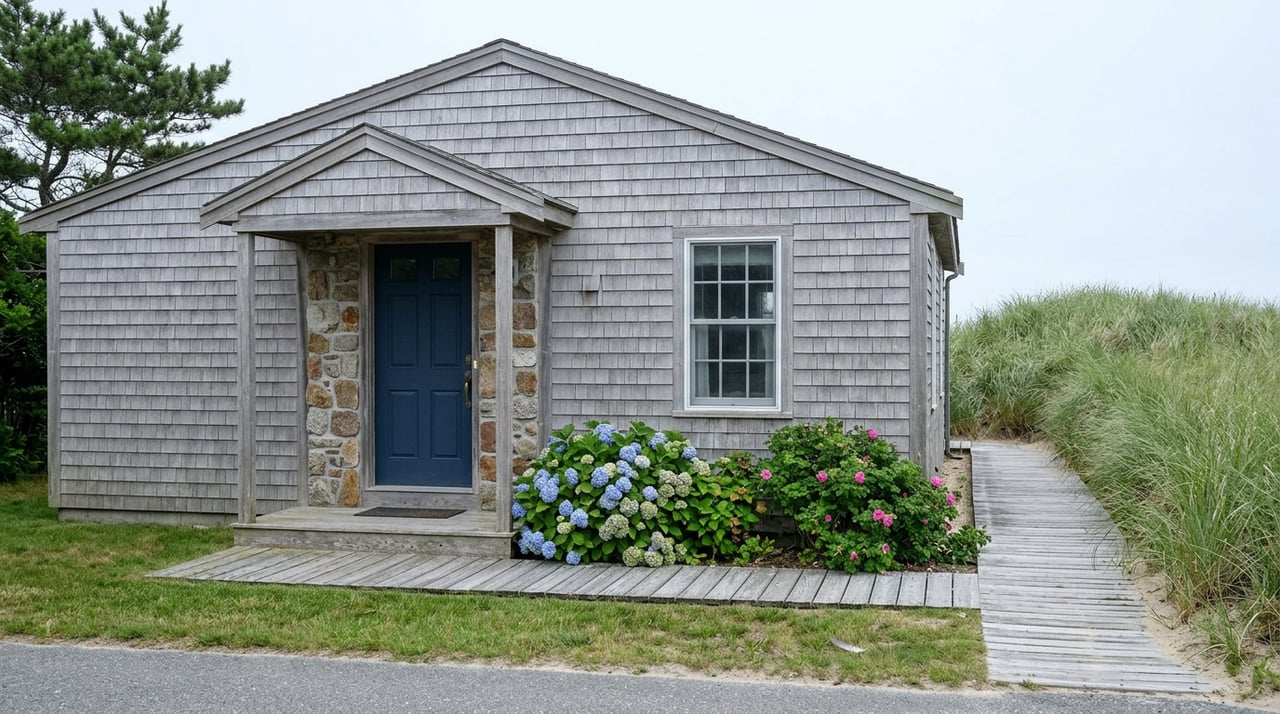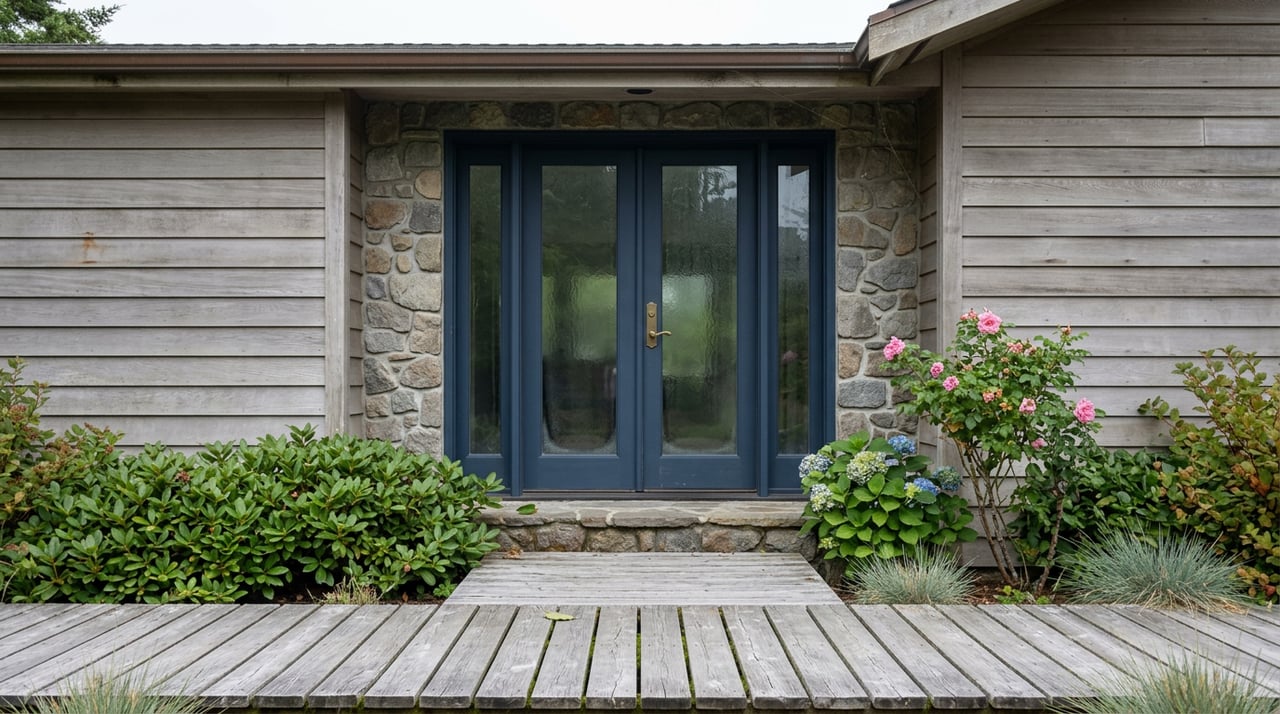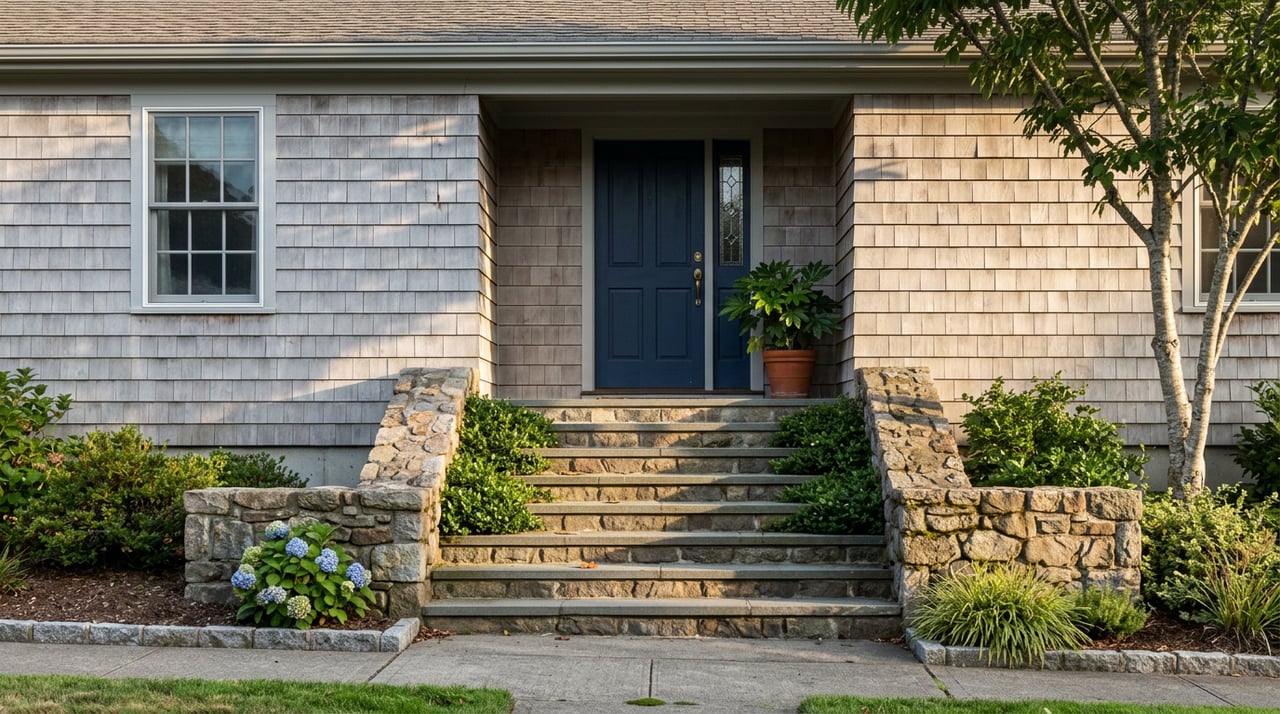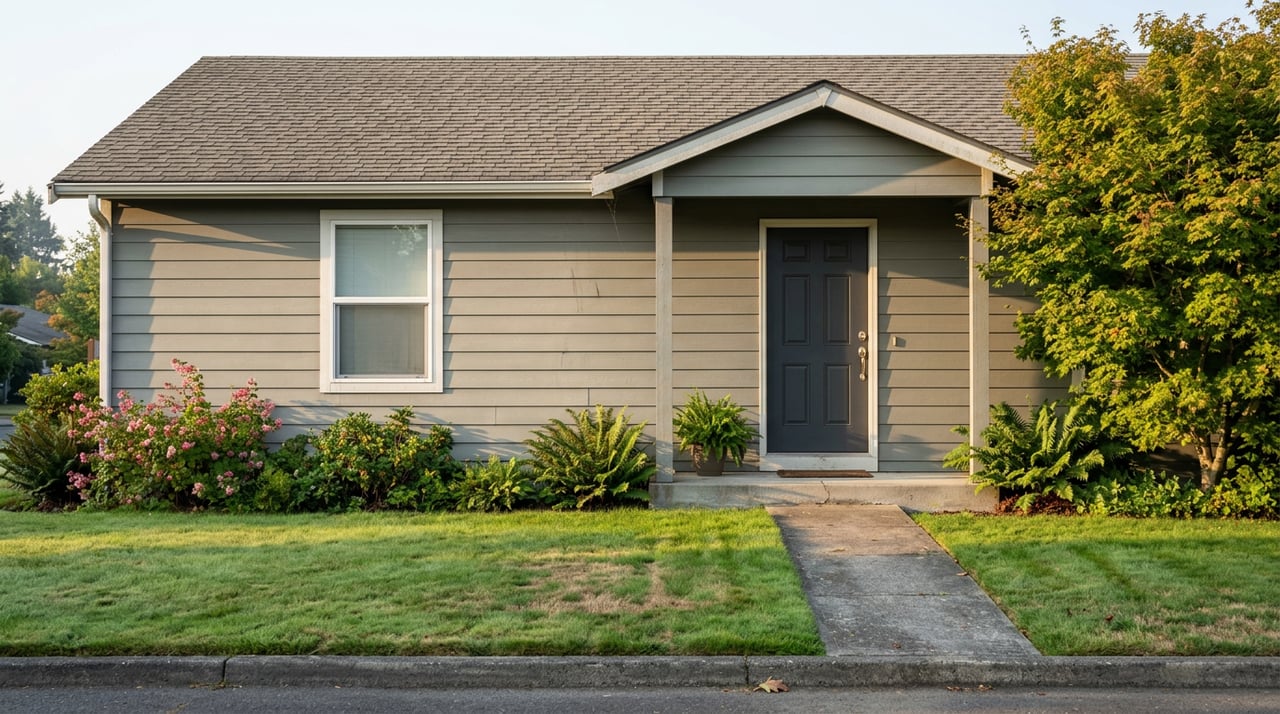
Ask anyone who has spent time house hunting on the North Coast which Astoria neighborhood is the deal, and the answer used to be easy. Skip the hillside Victorians with their river views and their fussy old systems. Look south and east, toward the flats along Alderbrook Road, where the houses are smaller, the lots are wider, and nobody's paying a premium for a porch view of the Columbia.
That answer is out of date. Over the trailing twelve months, homes in Alderbrook have sold for a median of roughly $605,000, up a striking 73 percent from the twelve months before that. Over the same stretch, homes in Astoria's Downtown neighborhood, the historic core with the Victorians and the river views everyone assumed carried the premium, sold for a median of about $489,000. The neighborhood that was supposed to be the affordable alternative is now pricing above the one it was supposed to be cheaper than.
What "Affordable" Used to Mean Here
The reputation didn't come from nowhere. Alderbrook and the neighboring John Day area grew up as working-class flats east of downtown, filled with modest single-family homes rather than the high-style Victorians that wealthy shipping and cannery owners built on the hill above the business district in the late 1800s. Downtown, Uniontown, and the hillside neighborhoods carry Astoria's architectural weight: three National Register Historic Districts (Uniontown-Alameda, the Astoria Downtown Historic District, and Shively-McClure) sit within the city, along with two additional inventoried areas, Adair-Uppertown and Hobson-Flavel, that have never been formally listed but are considered eligible.
Everything about that history pointed toward one pricing logic: character and river views cost more, flats without either cost less. For a long time, that logic held.
The Number That Doesn't Match the Reputation
Here's the comparison as it stands right now, using trailing twelve-month sale data at the neighborhood level alongside the citywide figure most portals report:
| Area | Median Sale Price (trailing 12 months) | Year-over-Year Change |
|---|---|---|
| Alderbrook | ~$605,000 | up ~73% |
| Astoria Downtown | ~$489,000 | up ~27% |
| Astoria citywide (3 months ending May 2026) | ~$535,000 | roughly flat |
The citywide figure is the one buyers see first on any national portal, and it flattens the story. It tells you almost nothing about what a specific $500,000 budget actually buys depending on which side of the historic district line you're standing on.
Square footage sharpens the point further. Citywide, at roughly $302 per square foot as of the three months ending May 2026, buyers have typically been able to land something in the neighborhood of 1,600 square feet, often a pre-1960s bungalow or Craftsman with original details and a steep driveway. Current Alderbrook listings tell a different story: single-family homes there are running closer to 1,100 square feet at price points around $575,000. That's meaningfully less house for meaningfully more money, in the neighborhood that has spent decades being described as the modest one.
Why the Comparison Is Shakier Than It Looks
Before anyone treats a 73 percent year-over-year jump as gospel, it's worth sitting with how thin that number actually is. Astoria as a whole sold only 32 homes in May 2026, down from 39 the year before. Split that volume across a dozen informal neighborhoods and Alderbrook's trailing twelve-month figure is likely built from a small handful of closed sales, not a statistically deep sample. A single renovated river-view listing or a couple of larger new-build lots closing in the same window can swing a neighborhood median by tens of thousands of dollars in a way that a deeper, more liquid market would absorb without blinking.
Days on market tell a similar story about a market that behaves unevenly by neighborhood. Homes in Alderbrook have averaged around 62 days on market against a national average of 50, while homes in Downtown Astoria have averaged closer to 99 days against a national average of 70. Both areas are moving slower than their respective national benchmarks, and both are moving at meaningfully different speeds from each other, which is its own signal that these aren't interchangeable submarkets that happen to share a city name.
None of that erases the inversion. It just means the honest read isn't "Alderbrook is now the expensive neighborhood." It's that a modest amount of new and renovated inventory in a historically affordable area, combined with genuinely thin sales volume, has been enough to flip the price relationship that used to hold. That's a fragile trend, but it's a real one, and it changes how a comparable sales analysis should be built right now rather than how it would have been built two years ago.
The Tax Lever Nobody Mentions at the Open House
There's a second piece of this puzzle that rarely comes up until a buyer is deep into a purchase, and it cuts directly against the instinct to avoid the older, pricier-seeming historic core in favor of newer flats.
Oregon has run a Special Assessment of Historic Property program since 1975, administered through the State Historic Preservation Office. In broad strokes, it allows an owner of a property listed in the National Register, either individually or as a contributing structure within a historic district, to freeze the assessed value used for property tax purposes for a set number of years while committing to a preservation plan. Properties enrolled before a 2009 change in the law received a 15-year freeze; newer enrollments generally run 10 years. In exchange, the owner has to invest at least 10 percent of the property's real market value in qualifying rehabilitation work within the first five years of the benefit period.
That mechanism applies directly to contributing properties inside Astoria's Uniontown-Alameda, Downtown, and Shively-McClure historic districts. In practical terms, it means a Victorian that looks expensive to renovate on day one can carry a materially lower tax bill for a decade or more while that renovation happens, a detail that never shows up on a listing sheet or a median-price chart and rarely gets raised until closing is already scheduled.
The specifics matter enough that they're worth verifying with the Clatsop County Assessor's office or a preservation consultant before assuming a property qualifies, since program terms, application fees, and enrollment windows have shifted with legislative reauthorizations over the years. But the existence of the lever itself is the point: it means the true cost comparison between an "expensive" historic Victorian and a "cheaper" newer Alderbrook home isn't just purchase price against purchase price. It's purchase price plus a decade of property tax exposure, and that math can run in a direction most buyers don't expect.
What This Means If You're Comparing Two Listings
If you're weighing a historic property against a newer one in Astoria right now, three questions do more work than the median price on any portal:
Is the historic property a contributing structure within Uniontown-Alameda, Downtown, or Shively-McClure, and has anyone confirmed its Special Assessment eligibility with the county? Second, what does the comparable sales set actually look like for the specific neighborhood, not the citywide number, since Alderbrook and Downtown have been moving in opposite directions on both price and pace this year. Third, is the price you're seeing built on a handful of recent sales in a genuinely small neighborhood market, where one unusual closing can move the median more than it would in a deeper market.
None of that turns a numbers exercise into the whole decision. Condition, view quality, and how a specific street feels on a foggy Tuesday morning still matter more than any spreadsheet. But going in with the actual shape of the current market, rather than the reputation the neighborhood has carried for decades, is the difference between negotiating from a place of knowledge and negotiating from a place of assumption.
FAQ
Does every historic-looking house in Astoria automatically qualify for the tax freeze program? No. Eligibility generally requires the property to be individually listed in the National Register or to be a documented contributing structure within one of Astoria's three National Register Historic Districts, or otherwise determined historic by the State Historic Preservation Office. Confirming status is a job for the county assessor's office, not a guess based on the home's age or appearance.
Is Alderbrook's higher median price likely to hold? Given how few homes actually close in Astoria's smaller neighborhoods each month, a single expensive sale or a cluster of renovated listings can swing a trailing twelve-month median substantially. Treat the current gap as a real, current condition worth factoring into a comparison, not a permanent reordering of Astoria's neighborhoods.
Astoria's neighborhoods have never priced the way their reputations suggest, and right now the gap between reputation and reality is wider than usual. If you're trying to figure out what a specific budget actually buys on a specific block, from the historic districts down through Alderbrook and the flats, Cindy Hawkins Colley has spent 28 years watching these micro-markets move. Let's Connect.